

A Dog, A River And A Thousand Years Of History
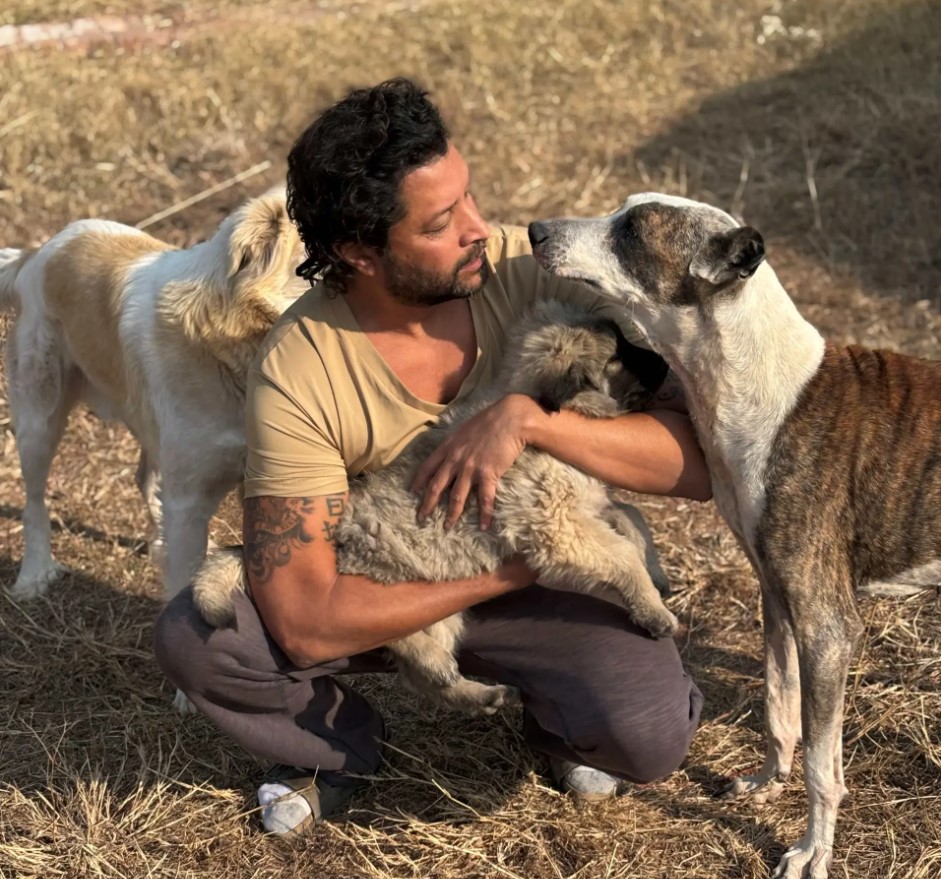
There are people you meet who seem to occupy a room before they have said a word. Zain Mustafa is one of them.
Tall, tanned, tattooed, impeccably articulate and entirely without pretense, he is not easily filed away. Architect. Educationist. Cultural anthropologist. Heritage obsessive. Animal-rights advocate. Teacher. Researcher. A man who can speak with equal conviction about indigenous architecture, colonial curricula, the Indus River, animal suffering, the future of education and the emotional life of a ruined city.
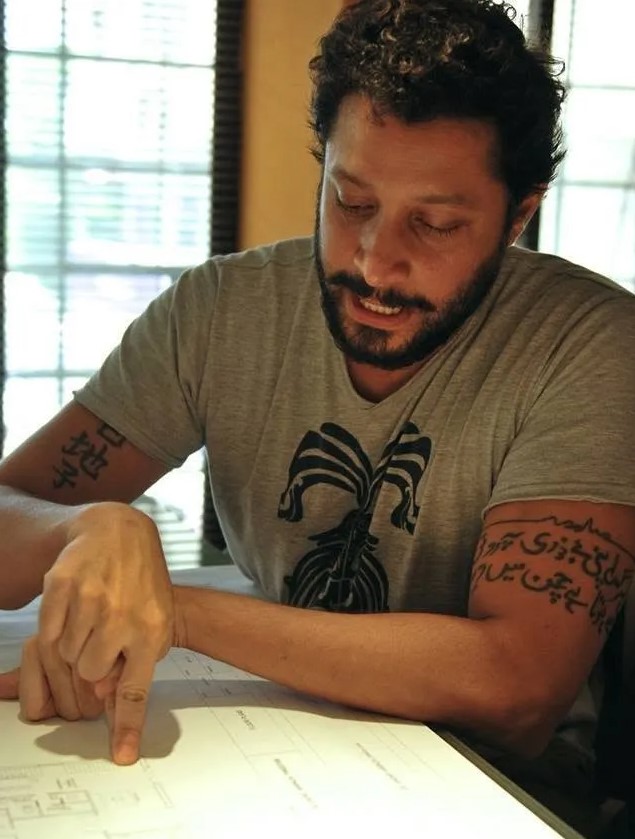 Photo courtesy of Zain Mustafa
When we spoke for this interview, it was over the phone. For most of the conversation, Zain was animated, thoughtful, moving effortlessly between architecture, education, animals and the future of Pakistan. Then we began talking about JJ.
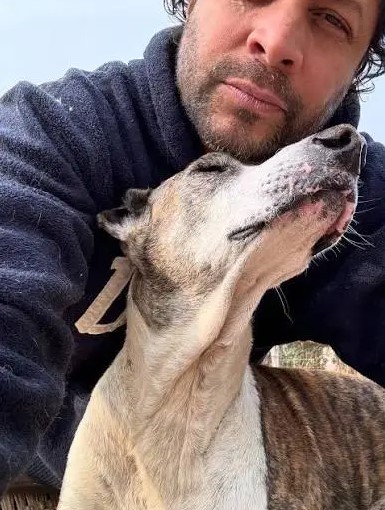 Zain and JJ. Photo: Zain’s Instagram page
He came into his life quite by accident. Zain had gone to meet a woman about some work when she mentioned a dog who needed a home. JJ had been brought from interior Sindh and kept locked in a hut on a beach in Karachi. He had been described as unpredictable, unhappy and aggressive…but Zain saw something else.
“I saw him and our eyes locked. He was anything but aggressive; his tail wagged. I asked to release him, and he came up to me and snuggled up. He was in very bad shape, covered in ticks. I brought him home completely unplanned.”
The vet said his liver had failed. Zain took him home anyway. Fourteen years later, JJ was still there.
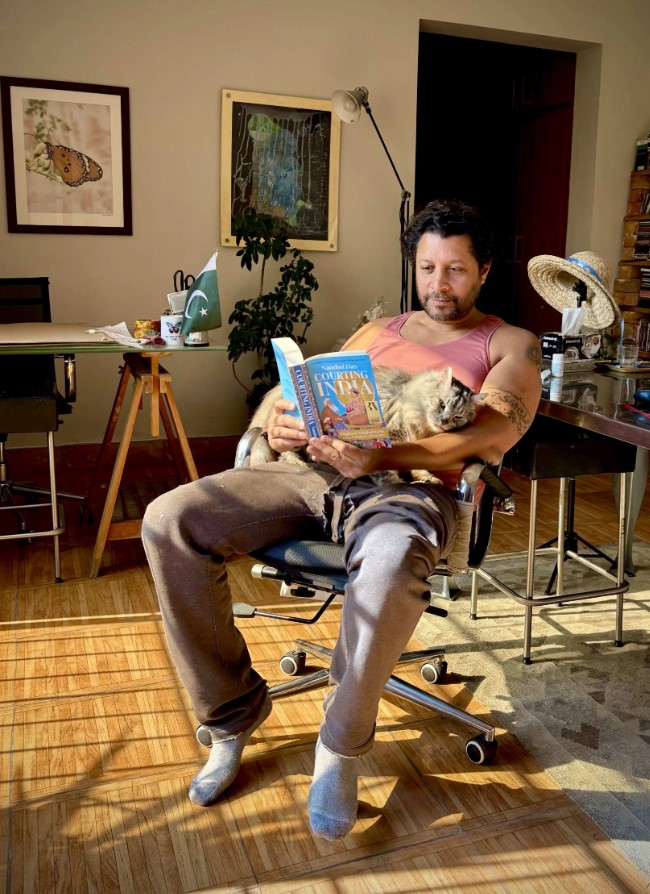 Photo courtesy of Zain Mustafa
There is something revealing about the word Zain returns to; dignity. He speaks about JJ as though he recognised in him something elemental…a capacity to suffer without becoming diminished by suffering. JJ was a “special needs child,” a “wise, quiet soul,” his “shadow” for fourteen years. His days revolved around the dog’s food, treatment, exercise and entertainment. In return, JJ taught him, Zain says, “so much about myself.”
When JJ died in Zain’s lap, unexpectedly, in the early morning of January 12th, something in the architecture of his life shifted.
“It’s been a very big shift since he passed away. He was a magical, otherworldly being. I’ve known no other pet like him. There’s a huge vacuum at the moment. I’m still trying to wrap my head around it.”
It is difficult not to see JJ as a kind of mirror in Zain’s story, another sensitive being who had been misunderstood, another life shaped by environments it had not chosen, another creature whose wounds did not reveal the whole story.
Perhaps this is why Zain has always been drawn to the ‘damaged’ world, not only animals, but neglected places, forgotten histories, marginalized communities and the things that survive despite having been overlooked.
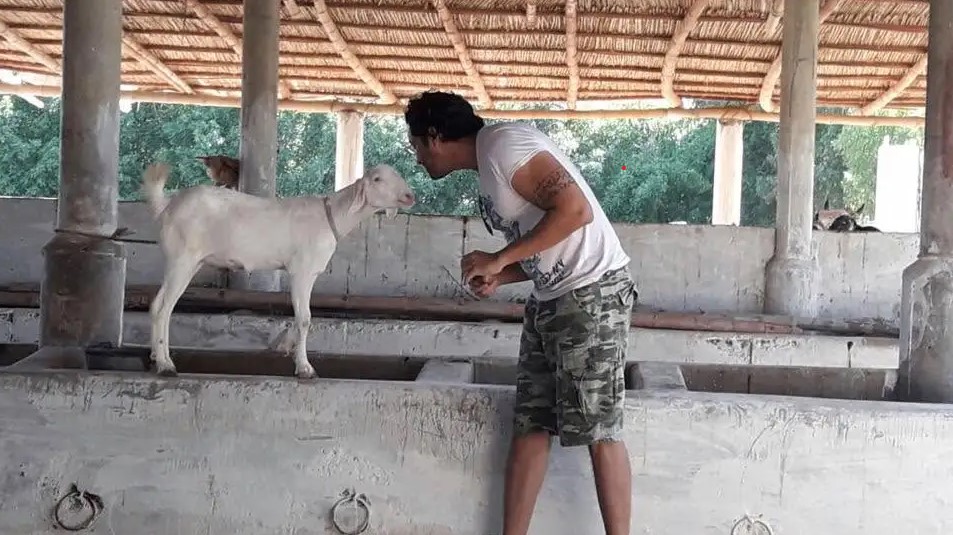 Photo courtesy of Zain Mustafa
His relationship with animals began in childhood. His mother once came home and declared that he had turned the house into a zoo, he recalls with a chuckle. There were rescue fish, a duck with a broken wing, a puppy, a parrot, a turtle, butterflies and spiders. It was, in retrospect, an education.
“That allowed me to learn so much from the damaged world of animals. But then you learn from the beizabaan, especially those who have been hurt by human civilization.”
For Zain, empathy was not something taught to him in a classroom. It came through contact, with animals, with their bodies and their silences, with the subtle language through which they communicate fear, trust and pain.
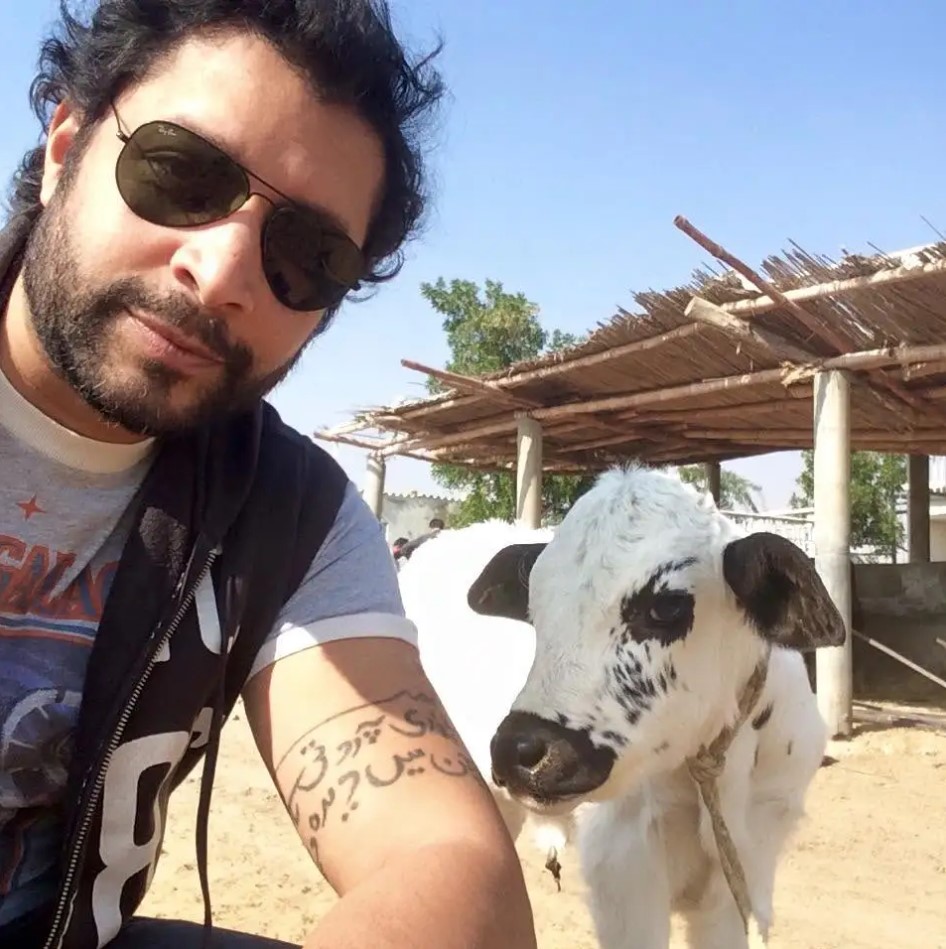 Photo courtesy of Zain Mustafa
It is this sensitivity that makes Zain difficult to describe in conventional terms.
There is something deeply nurturing about him, an instinctive concern with care, protection and the well-being of all living things – critters et al. Yet there is also an intellectual restlessness, a rebellion and a refusal to accept easy answers, and, a deep sense of duty towards the things he believes matter. He embodies these seemingly opposing qualities without apology. With absolute take it or leave it abandon.
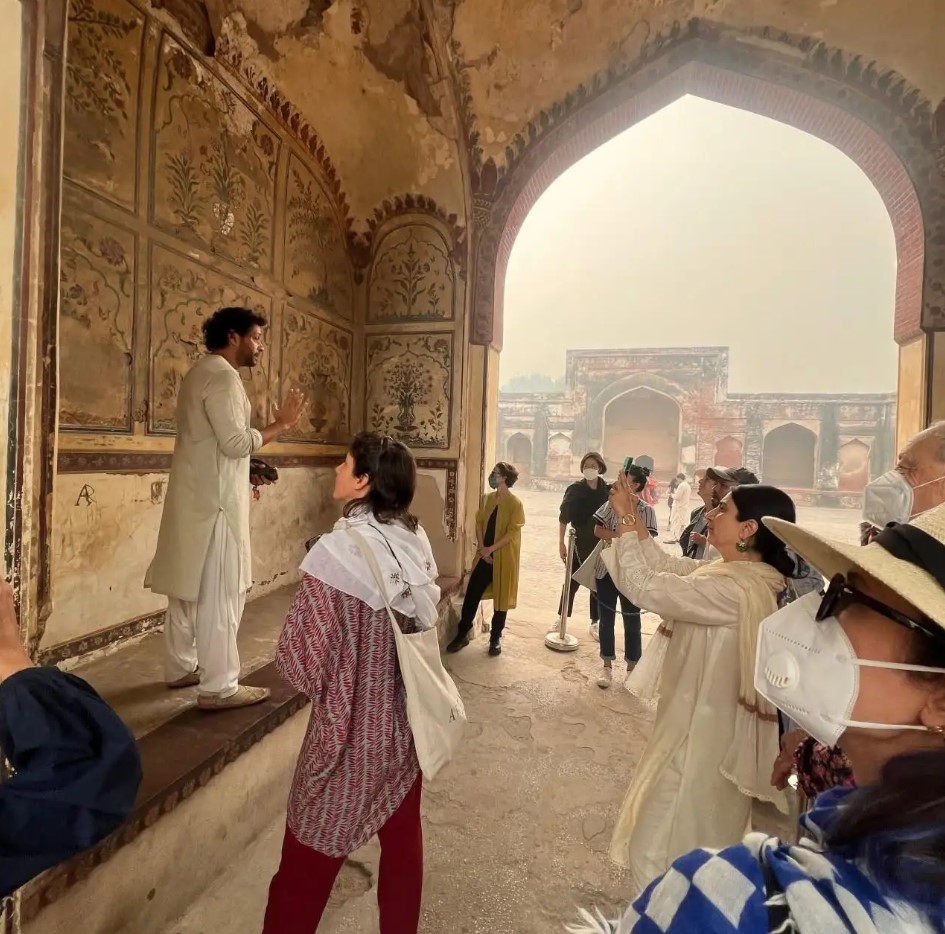 Photo courtesy of Zain Mustafa/IRVI
Zain has spent decades moving through architecture, design, teaching and field research. He studied Environmental Design and Architecture at Parsons School of Design in New York before earning an MA in Education from Columbia University. He taught at the Indus Valley School of Art & Architecture, worked across New York, Santa Fe, Dubai and Tokyo, and eventually returned to Pakistan in 2010.
But the further he travelled, the more he seemed to realize how little he had been taught about the place he came from.
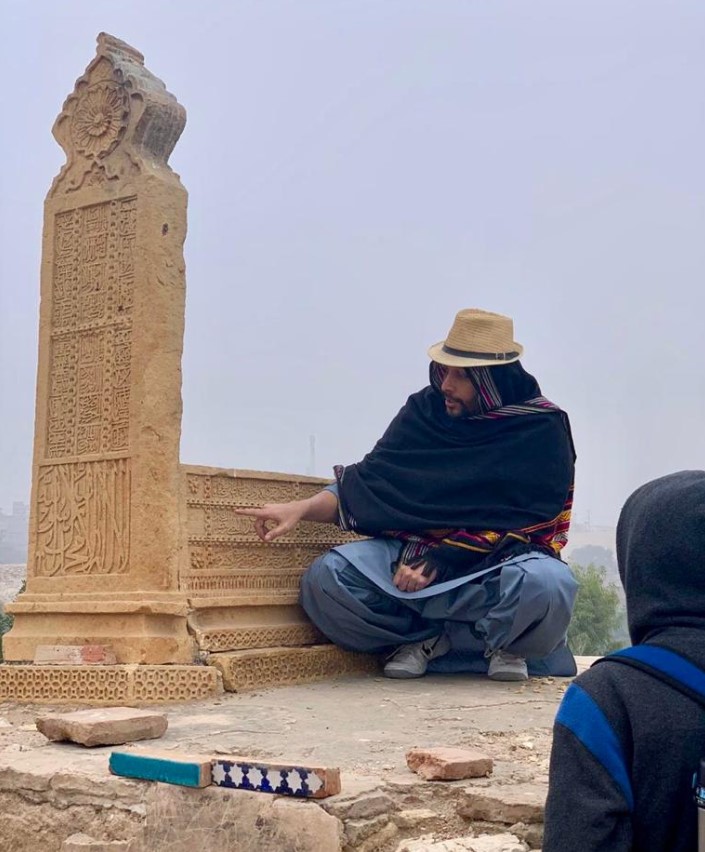 Photo courtesy of Zain Mustafa
The discovery became an obsession.
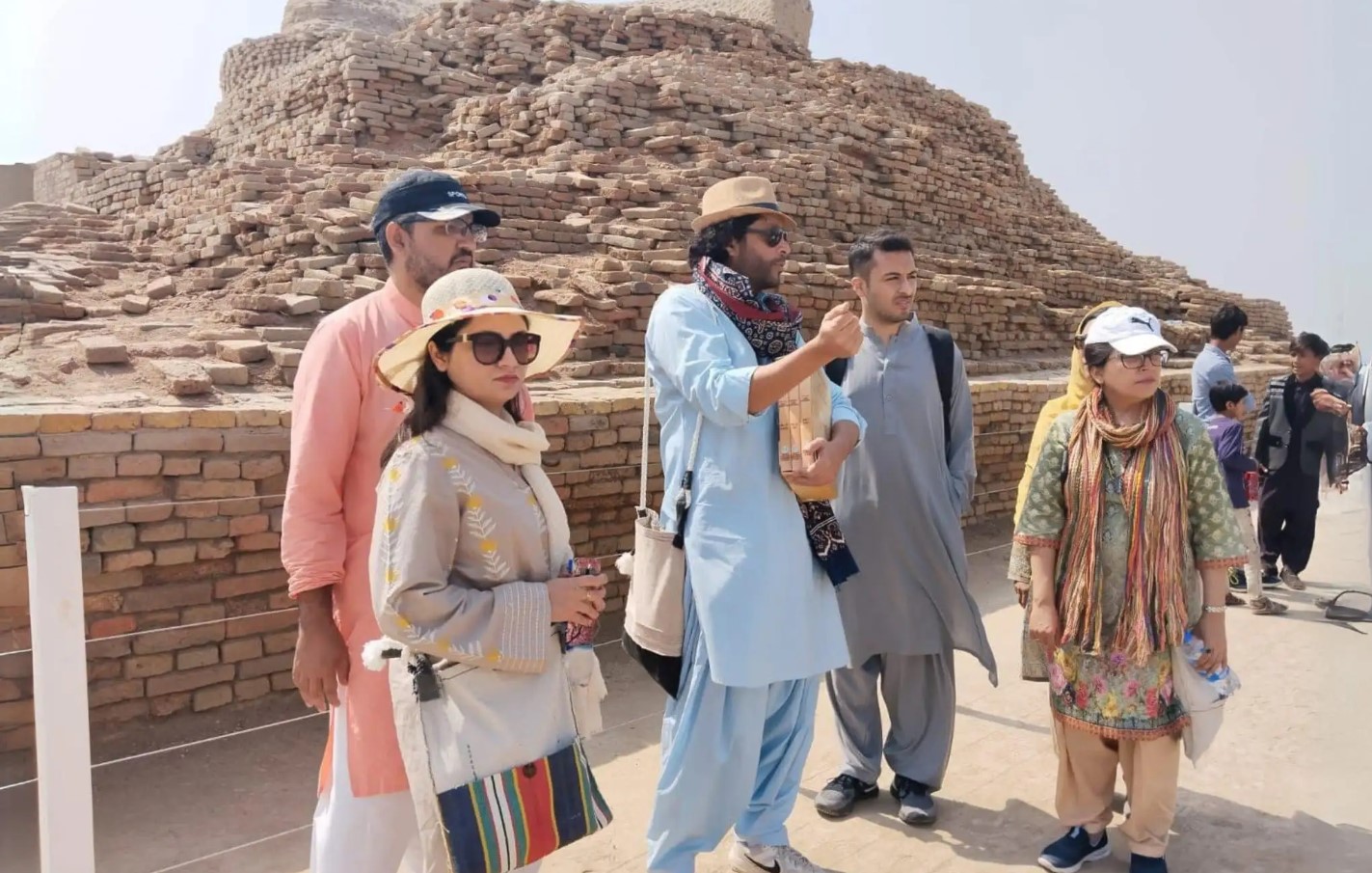 Photo courtesy of Zain Mustafa/IRVI
“Modernist architecture has done enormous disservice to architecture across the world. That’s been my learning: how little one really knows as an architect, and how rich the landscape of building technology really is in Pakistan.”
Through Cube Edutours, Zain began taking people into Pakistan’s heritage landscapes – not simply to look, but to learn. Ancient maps accompany the journeys. So do books, food, textiles, music, mythology and local stories. The idea is deceptively simple, history becomes different when you stand inside it.
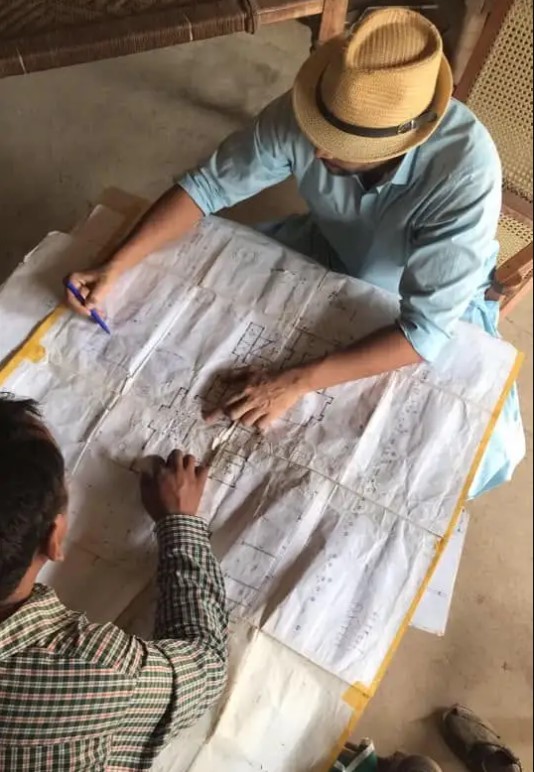 Photo courtesy of Zain Mustafa
What began with close friends and family grew organically over fourteen years.
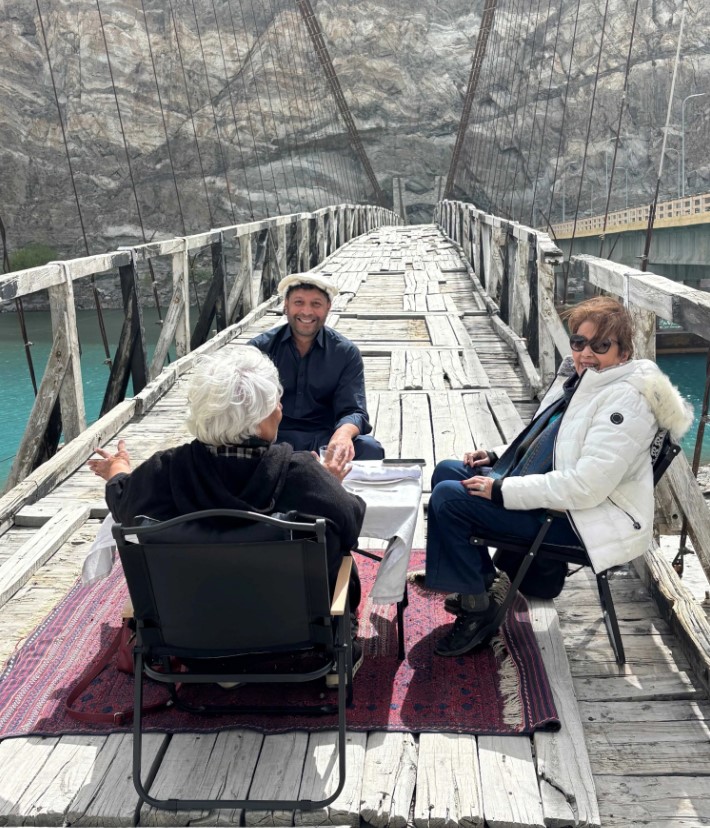 Photo courtesy of Zain Mustafa
There is something poignant about those fourteen years. While Zain was travelling deeper into Pakistan, asking questions about its landscapes and forgotten histories, JJ was beside him through much of it. One was learning to read the country; the other had taught him, in his own quiet way, how to read suffering and the completely vulnerable.
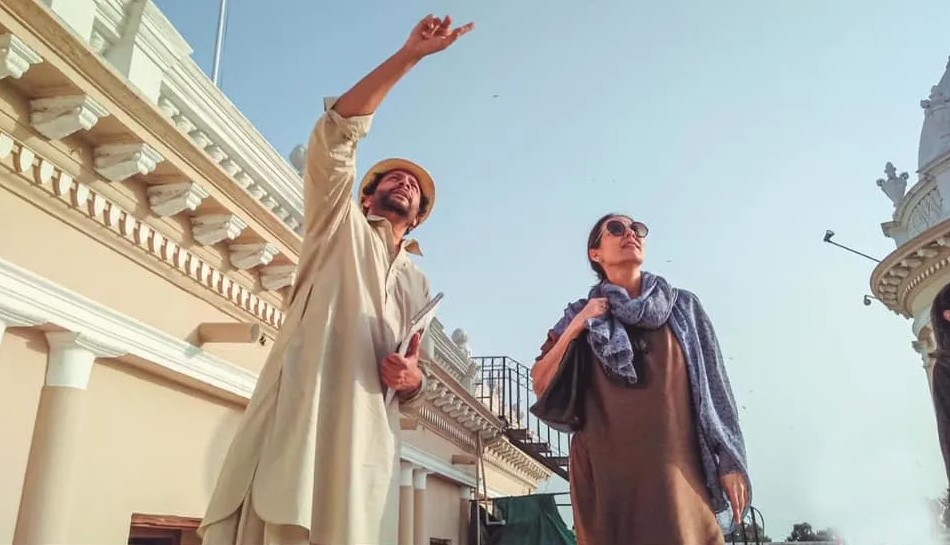 Photo courtesy of Zain Mustafa/IRVI
Then came IRVI – the Indus River Valley Institute – which grew out of fourteen years of accumulated fieldwork and seeks to connect Pakistan’s layered histories through the wider Indus River bioregion, rather than treating civilizations and cultures as isolated fragments.
“We’re not looking at the Indus Valley civilization in itself, but the Indus River bioregion, its banks, its flowing waters and the history it has encompassed for 9,000+ years. A variety of different cultures and heritages have come through her land and waters, built, stayed and left.”
For Zain, IRVI is about making those relationships evident.
“We’re looking at time, how it collapses within people, culture and intersections, and the role of the Indus River to the Silk Route. IRVI is there to shine light on that which isn’t very visible.”
“We’re not looking at the Indus Valley civilization in itself, but the Indus River bioregion, its banks, its flowing waters and the history it has encompassed for 9,000+ years. A variety of different cultures and heritages have come through her land and waters, built, stayed and left.”
At ancient sites such as Mohenjo-Daro and Makli, Zain wants us to stop calling them ruins.
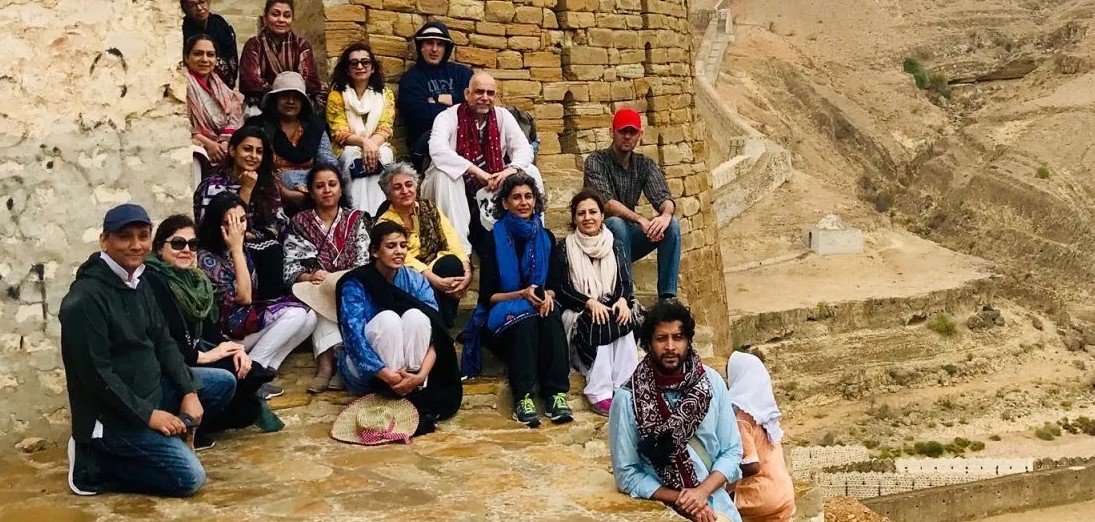 Photo courtesy of Zain Mustafa/IRVI
“We’re failing to understand almost everything we need to understand about them. We’re looking at them almost entirely through a colonial, Western lens. We’re not taking time to listen to their own communication through their built form, through the reasons why the built form is the way it is, or the context in which they were built.”
There is, he believes, an entire body of knowledge that cannot be found in books.
“There is so much information embedded in these sites, yet, like most of our ancient heritage, so little of it exists in our books or schools. You can only really learn it by going there, spending time there, building an emotional relationship with the place and listening to what it has to say. We need to stop referring to these places as ruins and start seeing them as living repositories of wisdom and knowledge…songs of the land and earth, and of our own ancestry and lineage.”
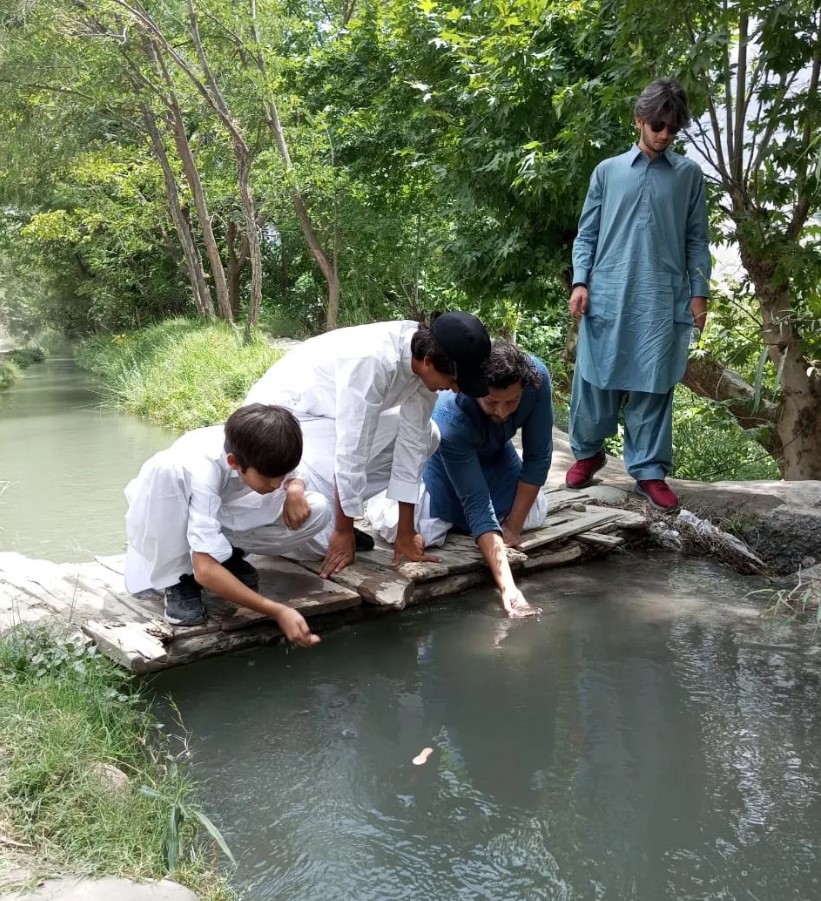 Photo courtesy of Zain Mustafa
“Having spent decades working across design, education and field research, what has remained constant for me is the drive to share my learnings and experiences, and any knowledge I may have gained that I feel is not available in books and libraries and not easily accessible.”
His goal is not necessarily to be “prescriptive,” but reflective, to encourage people to think critically, to understand their roles and responsibilities and consider the mark they will leave behind.
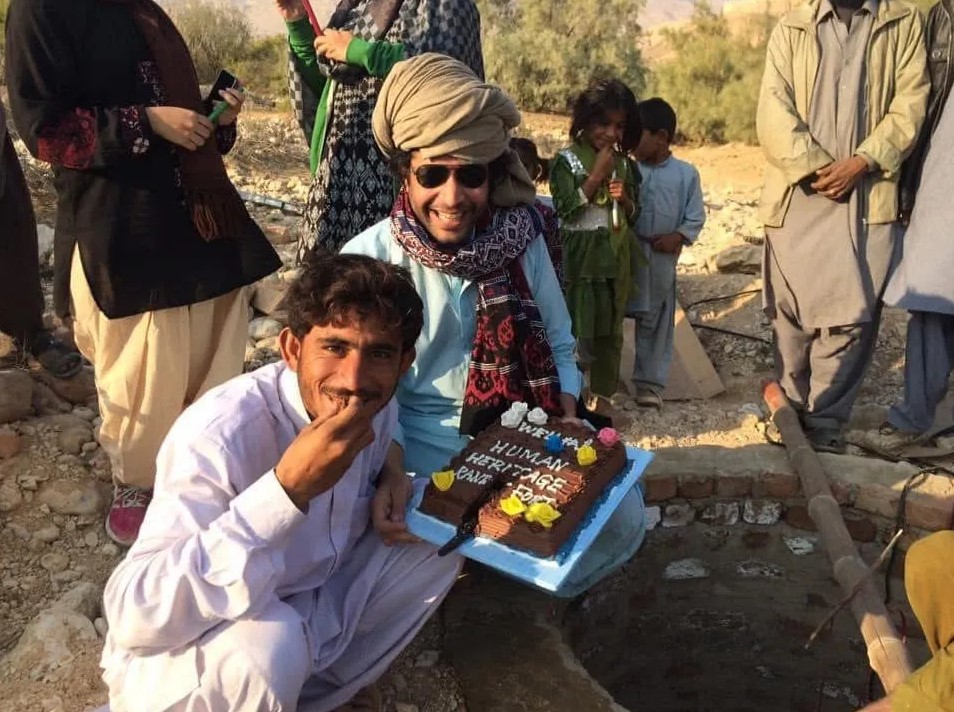 Photo courtesy of Zain Mustafa
There is something almost paradoxical about the man who spends so much of his life questioning systems and yet seems, personally, to have arrived somewhere very still. Zain has many ideas. Too many, perhaps, to fit neatly into a single biography. There are buildings and heritage sites, education and animals, residencies and research, books and libraries, workshops, music, crafts and spaces where people can gather, read, write, think and work with the earth. His interests branch constantly, always in flux, in motion…
Yet beneath all that movement is an inner therao. It comes, perhaps, from the kind of self-reflection he demands of others. From having lived enough lives to know that identity is not a fixed thing. From understanding that one can be an architect and an educator, an activist and a researcher, fiercely independent and profoundly emotional.
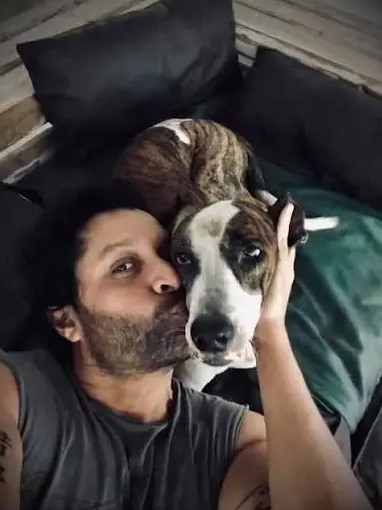 Photo courtesy of Zain Mustafa
There is a tenderness in that exchange that feels inseparable from the rest of Zain’s work. He wants people to look again: at a building, a landscape, at an animal, at culture…at themselves. To ask what they have failed to see.
To understand that what appears broken may contain knowledge. That what has been dismissed may still be speaking. That what has suffered can retain dignity. And perhaps this is why his dream for Pakistan is ultimately not about the past at all.
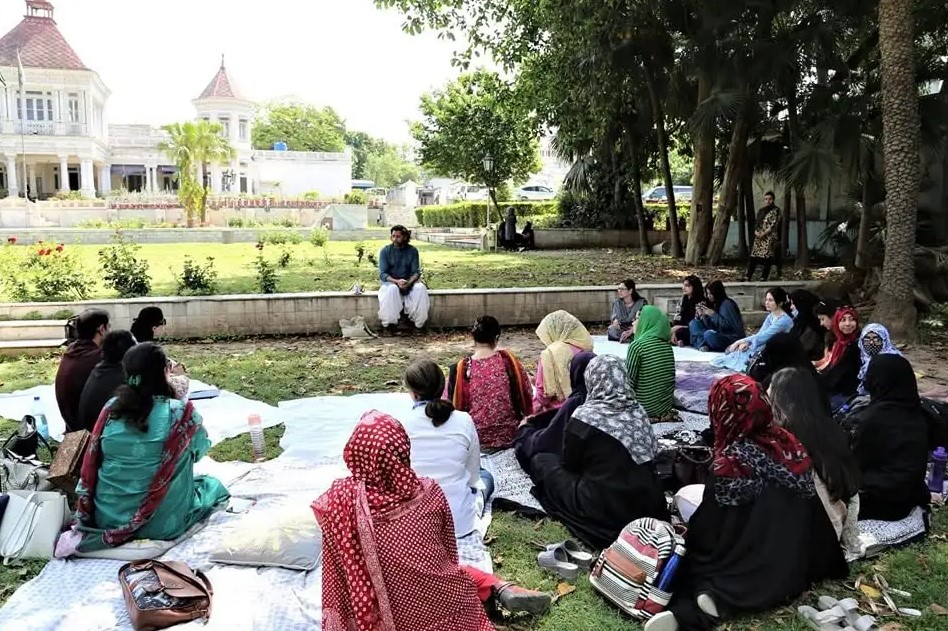 Photo courtesy of Zain Mustafa
He wants us to know where we come from, not to become prisoners of the past, but to understand the richness from which we have come, and what it might make possible for the future. And he sees that possibility in a generation beginning to travel through its own country, to ask questions, and to encounter a Pakistan that cannot be understood from a textbook or a screen.
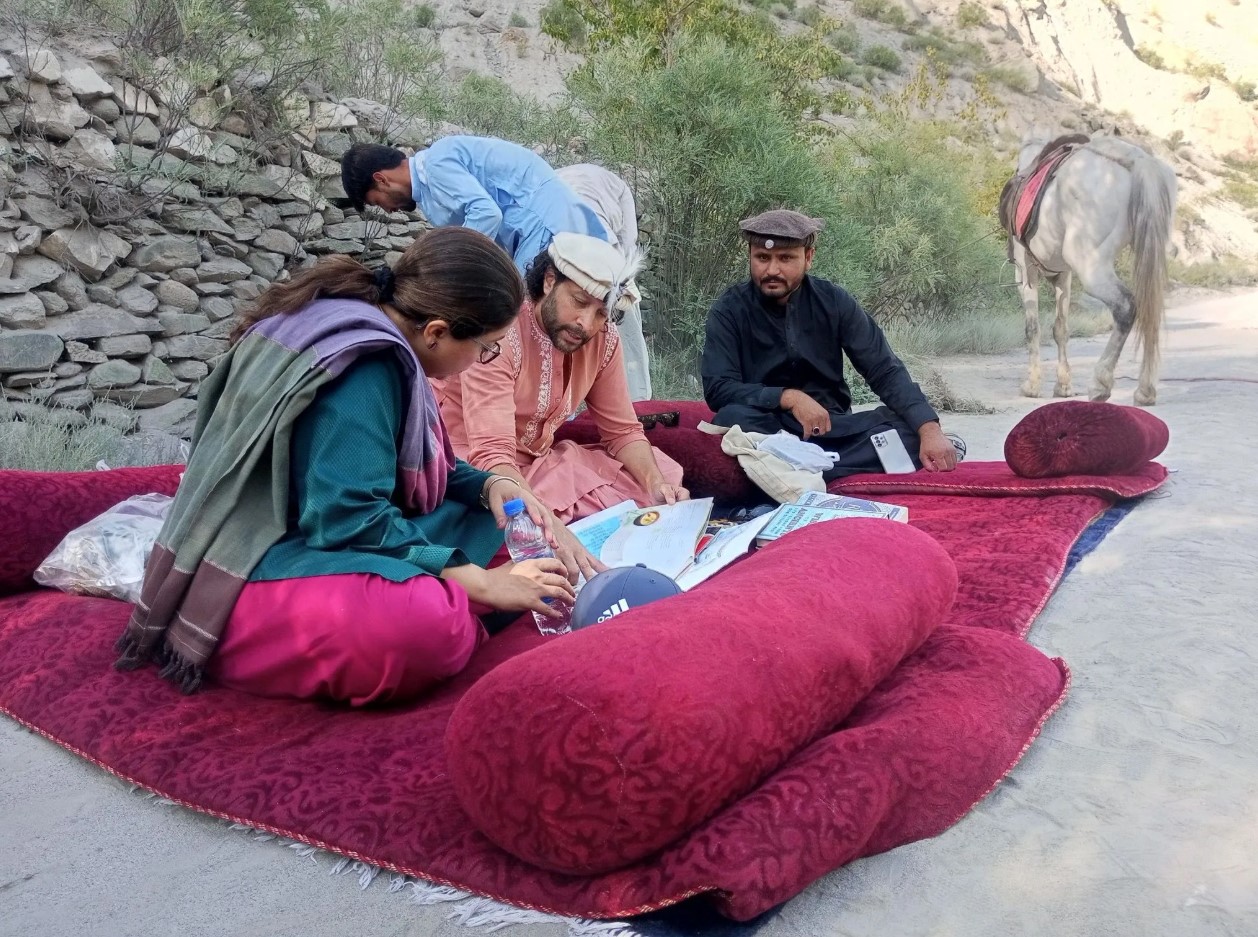 Photo courtesy of Zain Mustafa
The work continues. JJ is no longer beside him. But perhaps some of what they gave each other remains: the fearlessness, the tenderness, the instinct to protect, the willingness to look beyond appearances, and above all, the understanding that dignity and grace are not things we lose simply because we have suffered…sometimes, they are precisely what suffering teaches us to carry.